On Tuesday morning, nobody knew the password.
Not the engineers. Not IT. Not even the vice president.
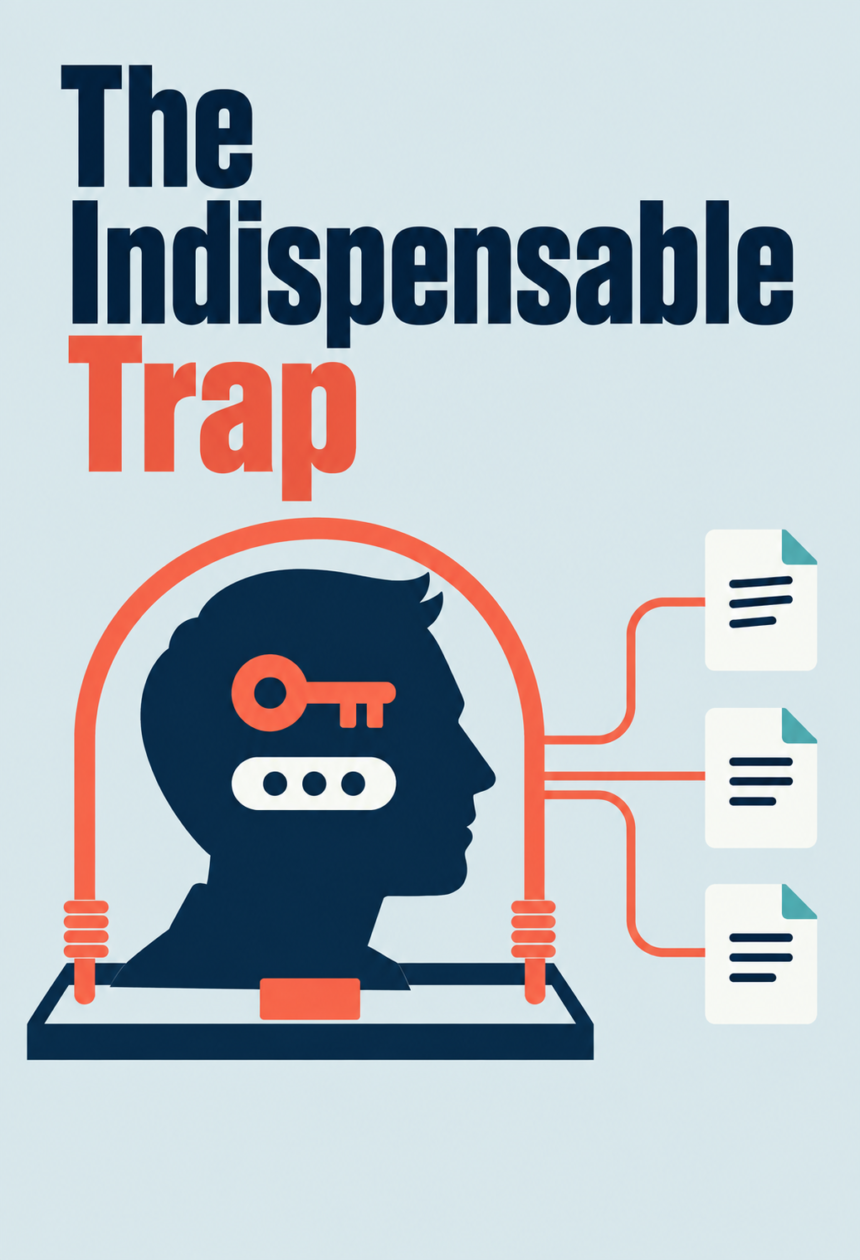
Only David Kim knew it, and David was unconscious in a hospital after a cycling accident.
“He’ll recover,” CEO Lauren Beck said after speaking with his wife. “But he won’t be back soon.”
Relief lasted approximately thirty seconds.
David had managed infrastructure at LatticeWorks, a San Francisco logistics-software company, for nine years. He understood every server, vendor contract, client configuration, and historical workaround.
He also documented almost nothing.
People admired this.
“Ask David” had become an unofficial company procedure.
Without him, a routine software deployment stalled. A client integration failed. Two engineers discovered they had conflicting instructions for the same recovery process.
Lauren was furious.
Then she realized management had rewarded David for years precisely because he could solve problems nobody else could.
Three weeks later, David returned part-time.
Lauren expected resistance when she told him that every critical system would now require documentation and a trained backup.
Instead, David looked relieved.
“You know why I never take vacations?” he asked.
“I thought you loved working.”
“I’m terrified something will break.”
They spent the next four months distributing his responsibilities.
David initially struggled. He corrected colleagues constantly, rewrote their documentation, and once took back a task without telling anyone.
But eventually, other people learned.
The following summer, David took his first two-week vacation in six years.
On the third day, a server failed.
His deputy fixed it in forty minutes.
David returned expecting applause for building a stronger department.
Nobody mentioned the incident until Thursday.
For a moment, he looked disappointed.
Then he smiled.
Being indispensable, he discovered, had felt remarkably similar to being trapped.
And good management sometimes meant building a company capable of surviving your absence.
The Indispensable Trap