
The contract was eleven pages long.
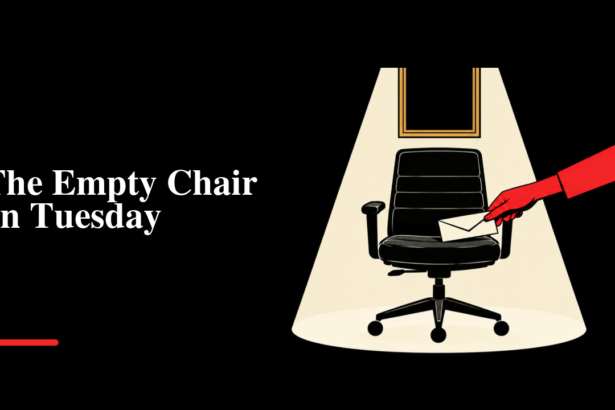
The problem was one photograph.
“Tell me that isn’t from last night,” Claire Morgan said.
Nobody in the conference room answered.
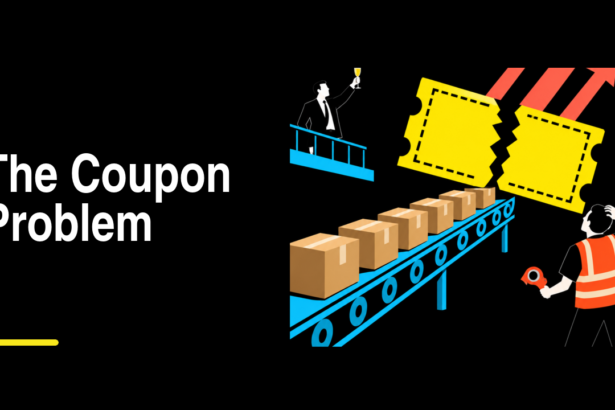
River & Reed, a small sparkling-tea company in Austin, had spent months negotiating an endorsement with professional basketball star Devin Cross. His name could move the brand from regional grocery stores into national chains.
The packaging had been printed. Retail buyers were waiting.
Then a photograph circulated online showing Devin at a private event beside a businessman under investigation for financial fraud. No charges involved Devin, and his representatives said the encounter was brief and accidental.
Marketing director Luis Ortega wanted to wait.
CEO Claire wanted a decision.
“If we cancel because of one photograph, we lose the launch window,” Luis said. “And probably half a million dollars.”
“If we continue and something worse appears?”
“Then we deal with something worse.”
The board was divided. Employees were worse. Some argued that guilt by association was unfair. Others asked why the company should gamble its reputation on someone it barely knew.
Claire called Devin directly.
He sounded exhausted, irritated, and more candid than his public statement.
“I took a picture with a guy at a party,” he said. “That’s the whole story.”
Claire believed him.
She still changed the campaign.
River & Reed launched without Devin’s face on the packaging, but kept a smaller digital partnership while the situation developed. Retailers reduced their initial orders. The national breakthrough became a cautious regional expansion.
No larger scandal emerged.
Luis never said I told you so, though Claire occasionally saw it in his expression.
A year later, Devin endorsed a competing beverage.
Its sales jumped.
Claire noticed the numbers.
Then she closed the report and went to the warehouse, where thousands of River & Reed cans waited for shipment bearing only the company’s name.
For now, she decided, that name was enough.
The Name on the Box