The notification email arrived at 2:13 a.m. with the subject line: Thermal Event Review.
Forty-seven cooktops from the pilot shipment had experienced automatic thermal shutdowns during Northstar’s in-store product demonstrations. While none had caught fire, six units showed heat damage near a key relay. The defective relays originated from the un-audited subcontractor, which had swapped resin suppliers during a raw material shortage.
By seven morning, Owen outlined their grim options. Air-freighting replacement boards and reworking inventory would cost $2.4 million. Halting the product launch would trigger contractual penalties and push the company below its bank covenant. Shipping on schedule while secretly monitoring failures might preserve cash.
“The safety cutoff worked,” Caleb argued persistently. “That is what it’s designed to do.”
Darnell glared at him. “A smoke alarm working doesn’t make smoke good.”
Caleb’s stock options would expire worthless if Northstar canceled. His ex-wife had already warned him that their daughter couldn’t pick a college based on theoretical stock.
Northstar’s buyer called at eight, asking whether Reed & Vale had a true defect or a minor production variation. Mara could hear executives murmuring in the buyer’s conference room.
“We have a failure we don’t fully understand,” Mara stated plainly. Owen closed his eyes in defeat.
The buyer warned that pausing meant missing the holiday retail reset and losing business to competitors. Mara looked through the office glass at the open loading bays and workers waiting beside sealed pallets.
“Hold the shipment,” she ordered.
By lunch, Northstar canceled two-thirds of the order. By three, the bank froze all further cash advances.
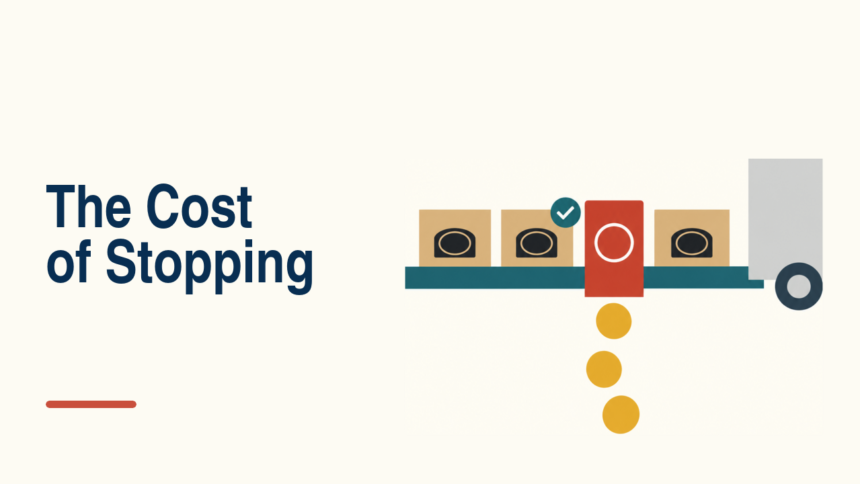
The Cost of Stopping