By Wednesday morning, Aaron Bell had checked the company’s bank balance six times, hoping arithmetic might become more generous through repetition.
Bellstone Printing needed $62,000 for Friday payroll. Its operating account contained $39,400.
The problem was temporary. A hotel chain owed Bellstone $91,000 and had promised payment within two weeks. Aaron needed time.
His bookkeeper, Melissa, found it in another account.
“There’s seventy-four thousand in the tax reserve.”
Aaron looked at her. “That isn’t our money.”
“Technically, it’s in our account.”
The money had been set aside for payroll and sales-tax obligations due the following month.
Aaron’s bank had already rejected a short-term loan. His personal credit cards were nearly exhausted after buying new printing equipment.
He could delay payroll, but several employees lived paycheck to paycheck.
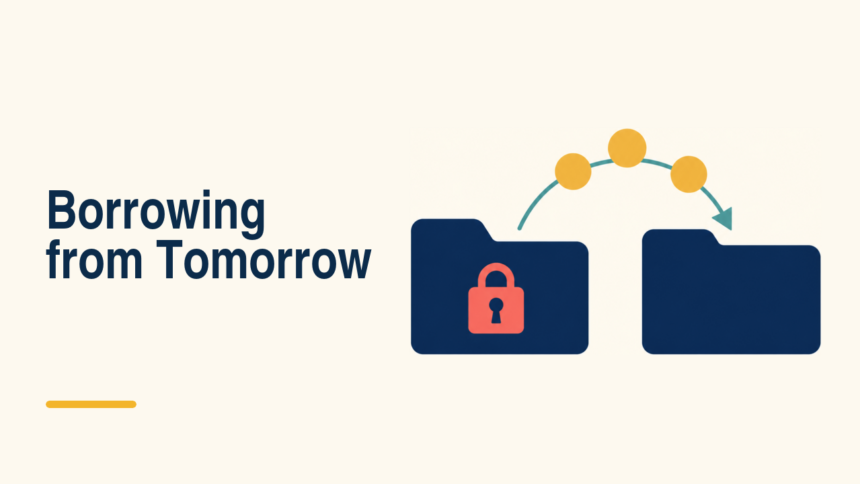
That evening, he transferred $30,000 from the tax account.
Then he transferred another $10,000.
Payroll cleared.
For two weeks, the decision looked brilliant. Employees knew nothing. Production continued. The hotel payment was supposedly coming.
Then the hotel requested corrections to three invoices.
Payment moved another thirty days.
Aaron stopped sleeping properly.
He sold an unused delivery van, postponed his own salary, and negotiated a payment arrangement before the tax deadline.
Bellstone survived, although the penalties erased much of the profit from the hotel contract.
Months later, Melissa noticed Aaron had opened a new reserve account at another bank.
“No debit card?” she asked.
“No.”
“Online transfer?”
Aaron shook his head.
Melissa smiled. “Making your own money difficult to steal?”
Aaron looked at the balance.
“Making tomorrow’s money difficult to borrow.”
He finally understood why a company could have cash and still be unable to afford spending it.
Borrowing from Tomorrow