The first snow of November fell while 4,800 coffee machines sat inside Natalie Reed’s warehouse outside Chicago.
Six months earlier, the machines had looked like guaranteed profit.
Natalie’s kitchenware company, Reed & Finch, had sold out of the previous model before Christmas. Retailers complained they could have sold twice as many.
So Natalie doubled the next order.
She borrowed $600,000 to finance inventory and promised the lender repayment after the holiday season.
Then a competitor launched a cheaper machine with better reviews.
Orders slowed.
Natalie’s sales director wanted a 25 percent discount.
Her finance manager, Owen, objected.
“At that price, we barely cover product, freight, and retailer fees.”
“At full price,” the sales director replied, “we cover nothing if they stay here.”
Natalie delayed the discount for three weeks.
It was her mistake.
By December, competitors were discounting too. Reed & Finch finally cut prices by 30 percent, but shoppers had moved on.
The warehouse remained half full in January.
Natalie negotiated an extension with the bank and canceled development of two new products. Three employees were laid off.
The remaining machines eventually sold through discount chains at prices Natalie once would have considered humiliating.
The company survived.
A year later, Owen presented the purchasing forecast for another promising appliance.
Natalie studied the optimistic scenario, then the conservative one.
“How many can we sell if we’re wrong?”
Owen smiled slightly.
It was a different question from the one she used to ask.
Reed & Finch ordered fewer units and sold out before Christmas.
Natalie watched the empty warehouse with mixed feelings.
There was money they had failed to earn.
There was also debt they would never have to repay.
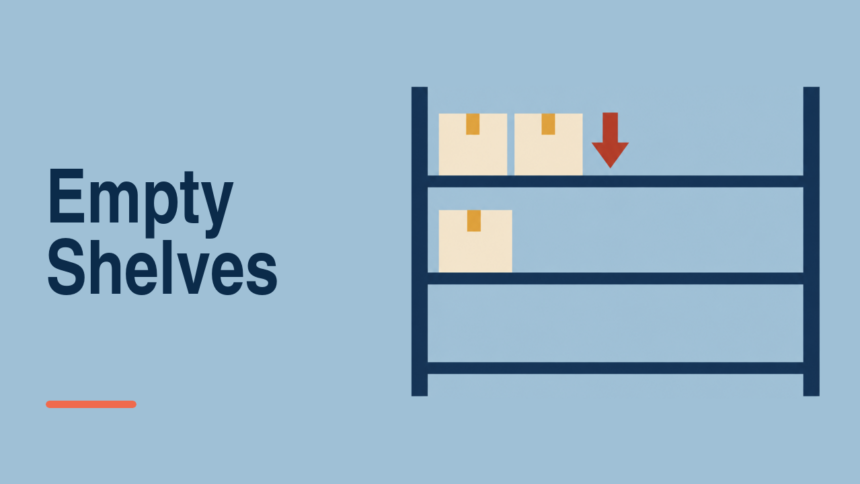
For the first time, she understood that empty shelves could represent both a missed opportunity and a successful act of restraint.
Empty Shelves