At 8:07 Monday morning, Carlos Vega locked the production-floor entrance.
Nina Brooks stared through the glass.
“You’re serious?”
“Shift starts at eight.”
“My daughter’s bus didn’t come.”
Carlos pointed toward Human Resources. “You can clock in there.”
Nina lost fifteen minutes of pay.
At Meridian Components outside Detroit, Carlos had inherited a packaging department known for missed targets, late arrivals, and generous excuses. Senior management wanted discipline.
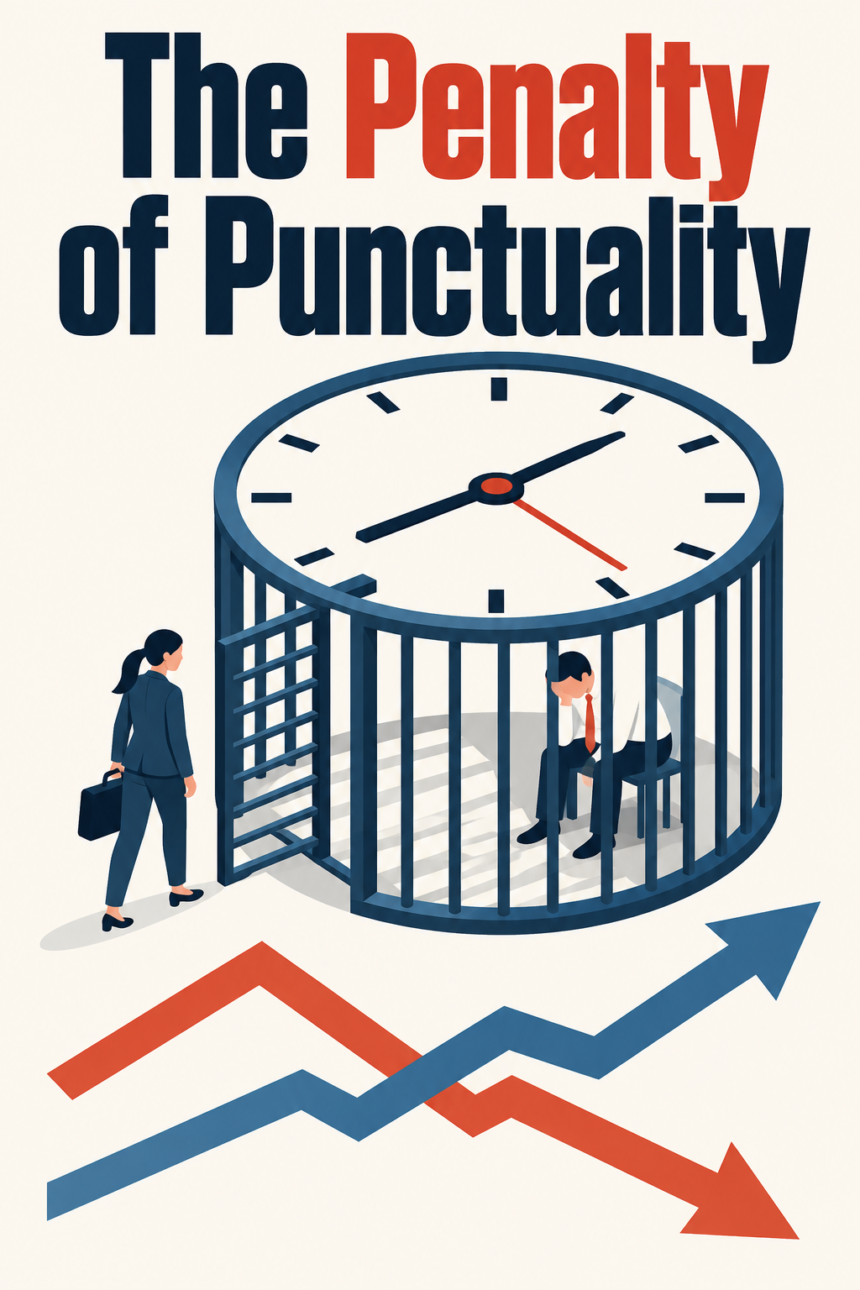
So Carlos introduced a rule: anyone arriving after 8:05 received a late mark. Three marks triggered formal review.
Within a month, punctuality improved dramatically.
His regional director congratulated him.
Then quality complaints increased.
Carlos blamed the new employees until his supervisor, Andre, showed him the staffing records.
“You know what people are doing?” Andre asked. “They’re coming sick.”
Employees afraid of receiving late marks stopped calling supervisors when emergencies arose. Parents rushed through school drop-offs. Workers skipped medical appointments. One employee slept in his car during lunch because fever had kept him awake all night.
“We needed accountability,” Carlos said.
Andre shrugged. “We got it.”
The sentence bothered him.
Carlos removed the automatic penalty and gave supervisors discretion for documented circumstances. Predictably, some employees abused the flexibility. One man blamed traffic four times in two weeks.
Carlos disciplined him.
Others began informing supervisors earlier when problems occurred.
Punctuality worsened slightly. Quality improved. Absenteeism stabilized.
At the quarterly review, Carlos’s director frowned at the attendance chart.
“You had this number lower.”
“I did.”
“So what happened?”
Carlos considered explaining everything.
Instead, he placed the quality report beside it.
“This happened too.”
The director studied both sheets.
Management, Carlos was beginning to understand, became much harder when two numbers could improve only by allowing one of them to get worse.
The Penalty of Punctuality